
Electrostatic headphones have always carried a certain gravity in hi-fi. They are associated with speed, transparency, and a sense of openness that can make familiar recordings feel newly lit. They are also associated with a long list of practical questions: bias voltage, amplifier matching, connectors, output level, after-sales support, and whether the headphone itself is only the beginning of a much larger system.
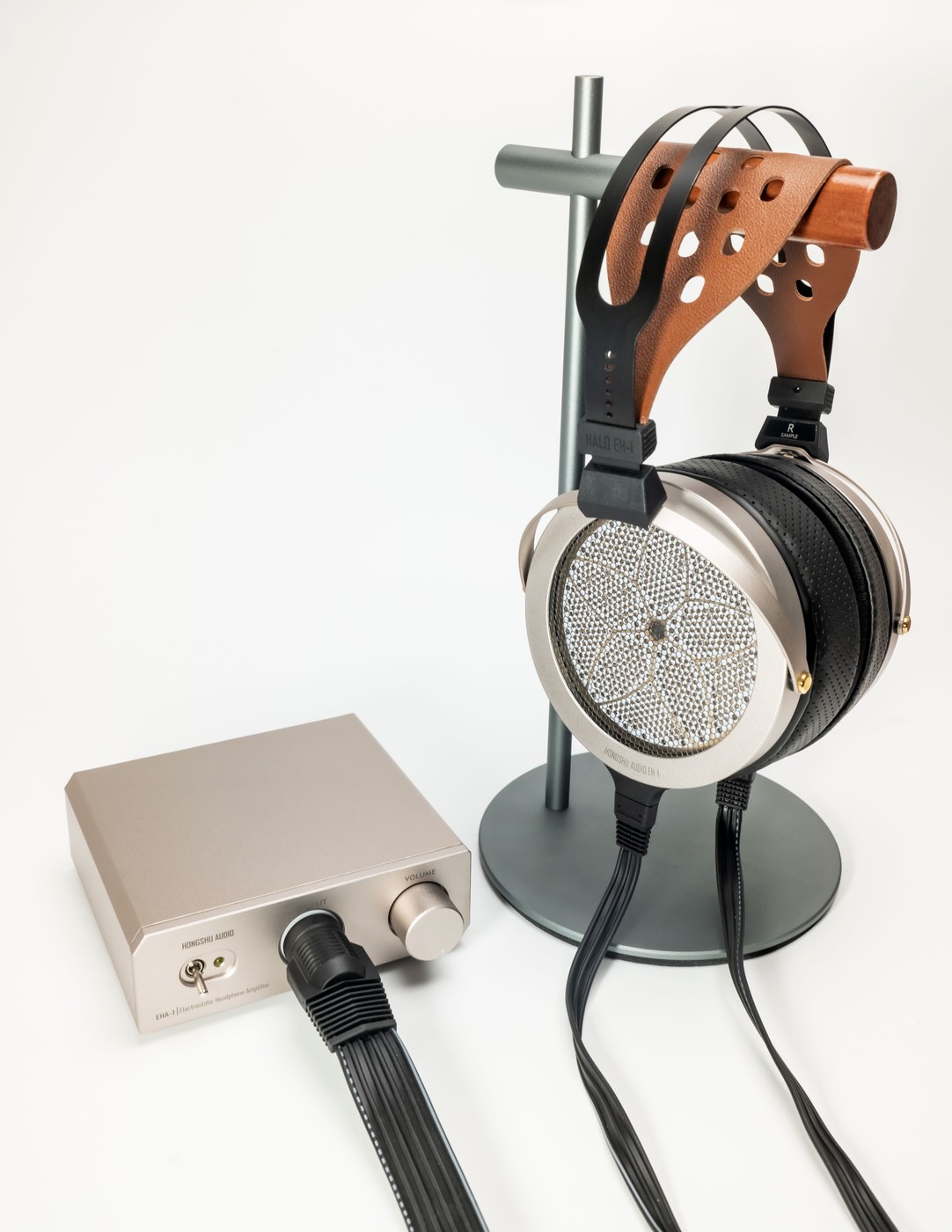
That is the context we designed the EH-1 V4 for. We present the EH-1 as a complete system with the EHA-1 electrostatic amplifier, because for many listeners the system framing carries as much weight as any individual specification.
A system, not a puzzle
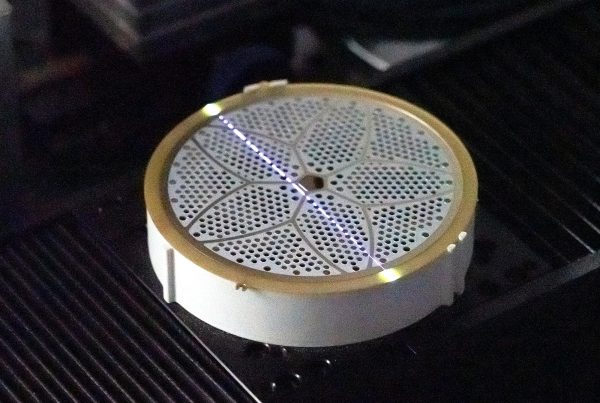
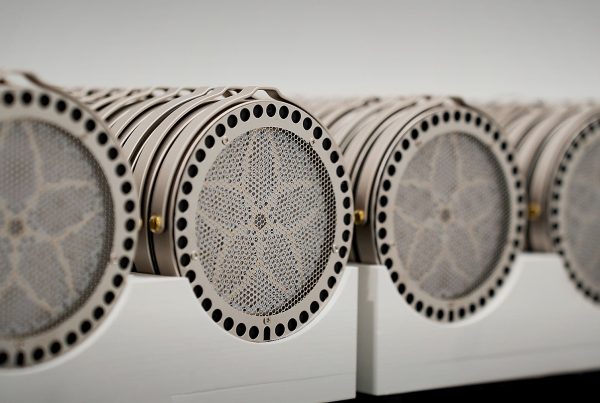
The EH-1 V4 is built around a large 4-inch circular electrostatic driver in a headphone-style open-back form. The supplied EHA-1 amplifier provides the required electrostatic drive and bias, while adding two useful physical controls: Bass Boost and left/right balance adjustment. The system package is also practical rather than ceremonial: EH-1 headphones with SP-1V earpads, EHA-1 amplifier, 1.8 m EC-1 headphone cable, 2 mm hex key, and a 12 V power adapter, with regional accessories subject to the actual shipped version.
Those details are not decorative. They answer the first questions a new electrostatic listener usually has. What powers it? What bias standard does it use? Is an amplifier included? Can the balance be adjusted without adding another box? The EH-1 V4 system places those answers in the package rather than leaving them for the buyer to solve later.
The news is not only that EH-1 is an electrostatic headphone. It is that Hongshu Audio is presenting electrostatic listening as a complete, reachable desktop system.
Why the included amplifier changes the conversation
In dynamic and planar magnetic headphones, many users are used to changing amplifiers as part of the hobby. Electrostatic headphones are different. They need a high-voltage, low-current drive architecture and a bias supply that normal headphone outputs do not provide. A conventional 3.5 mm, 4.4 mm, or XLR headphone output is not an electrostatic output.
That makes the EHA-1 more than an accessory. It is the bridge that allows the EH-1 to be understood as a first system. Its confirmed profile is compact and specific: 12 V DC input, 5 W rated power, 2 VRMS standard input level, 300 VRMS maximum output at 1% THD, 580 V polarization voltage, and a 110 x 120 x 38 mm chassis excluding protrusions. The EHA-1 may not be the last electrostatic amplifier a listener explores, but it gives the EH-1 a defined starting point without a separate compatibility hunt.
The details make the system concrete
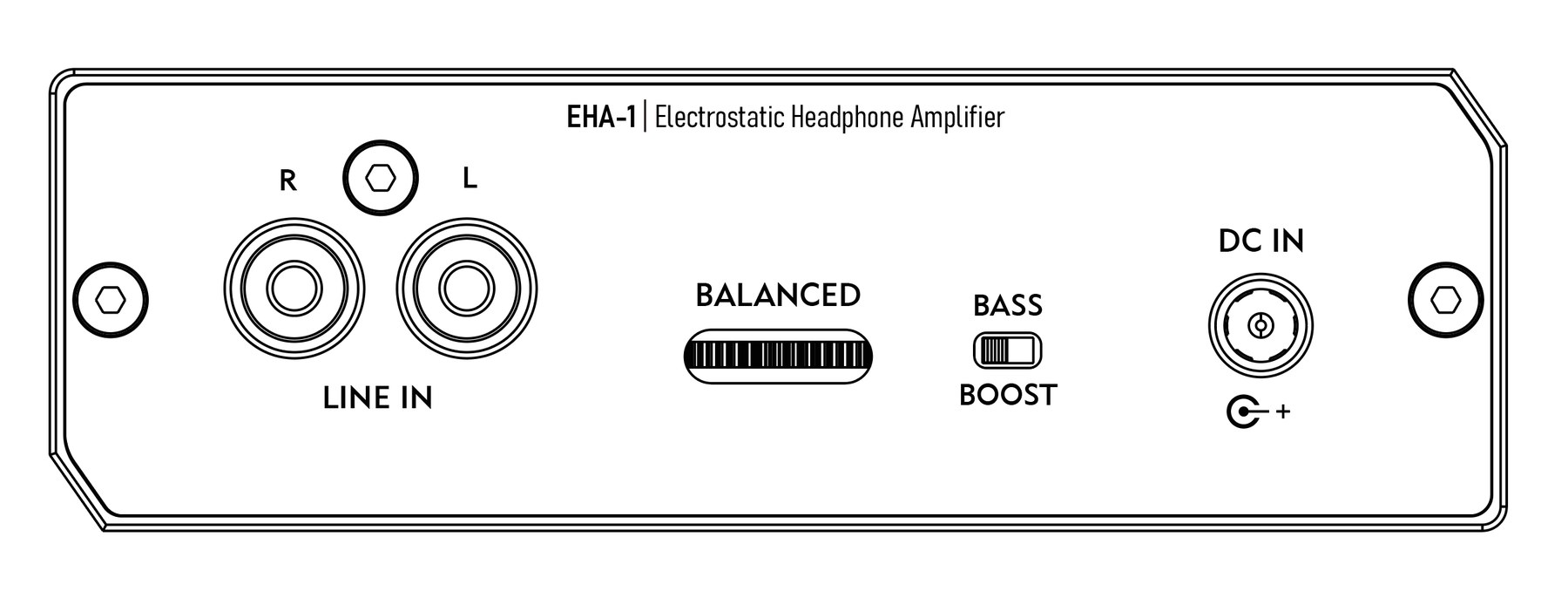
The EH-1 specification set is equally direct: 102 dB at 100 VRMS sensitivity, 100 pF capacitance including the 1.8 m cable, 6-42000 Hz frequency range, and 295 g weight without cable. The EHA-1 panel layout keeps the operating logic visible: power switch and indicator, Pro Bias headphone output, volume knob, RCA line inputs, balance adjustment, Bass Boost switch, and DC input.
Those details matter because they turn a product name into an actual operating system. For first setup, we recommend connecting the RCA cable, 12 V DC input, and headphone cable before power-on, with the volume turned fully counterclockwise. The RCA input is intended for a common-ground single-ended source, so unsafe balanced-to-ground conversion methods should be avoided.
A design that has already entered the conversation
Outside official product pages, the EH-1 has also become visible in enthusiast discussion. Head-Fi’s product database lists the Halo Acoustics EH-1 electrostatic headphone, while Reddit and Bilibili discussions frame the model as one of the more watched entry points into electrostatic listening from China. Bilibili search results show unboxings, comparisons, V4 impressions, and recordings through other electrostatic amplifiers.
That kind of discussion is useful, but it should be read carefully. Community impressions vary by batch, amplifier, power supply, music, and listener expectation. What is consistent is that people are discussing the EH-1 as a real electrostatic system, not as a speculative product or a one-off prototype.
What to listen for first
The most sensible first listen is not a stress test. Start with recordings you know well: a small jazz group, a voice recorded close, a string quartet, a dense pop mix, or a live album with room sound. Electrostatic headphones often reveal themselves through leading edges, decay, and the way low-level details sit inside the stage. With EH-1, the open-back structure should also make the room around the recording easy to judge.
The EHA-1’s Bass Boost and balance controls should be approached as tools, not as a personality switch. Some recordings need no help. Others, especially thin masters or film listening, may benefit from a small adjustment. The value is not that every track should be tuned; it is that a first electrostatic system includes a simple way to adapt without breaking the chain.
For us, the EH-1 V4 system is a clear statement: electrostatic listening can be precise, open, and technically serious, while still arriving as something a listener can actually put on the desk and use.