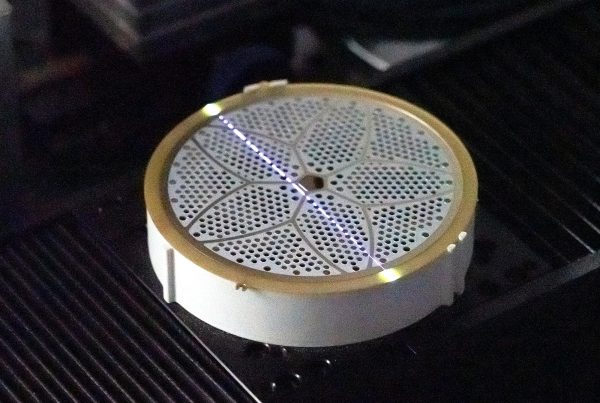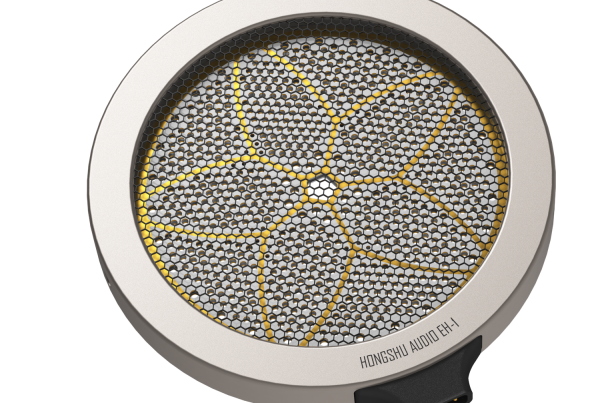
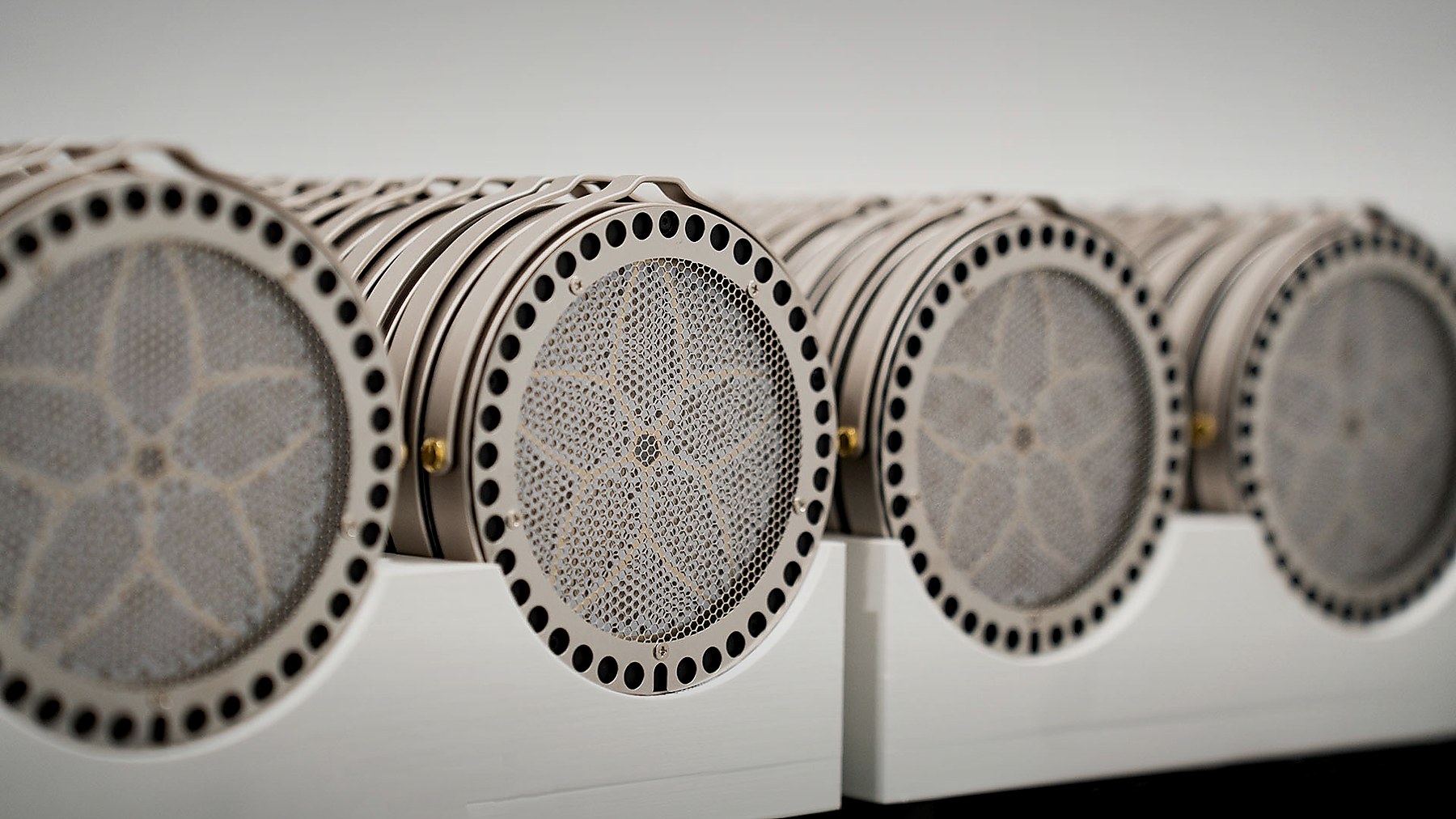
We began deeper inside the product: the electrostatic driver. Founded in Shanghai in 2019, we describe our work as high-end electrostatic audio built from the driver up, covering headphones, amplifiers, and future electrostatic speaker systems.
That starting point matters because electrostatic drivers do not sit in a mature off-the-shelf supply chain in the way many common headphone components do. The driver involves diaphragm behavior, stator precision, coating consistency, insulation, assembly environment, and high-voltage safety. If we want to control the sound, we have to control much more than the outer shell.
The four-year foundation
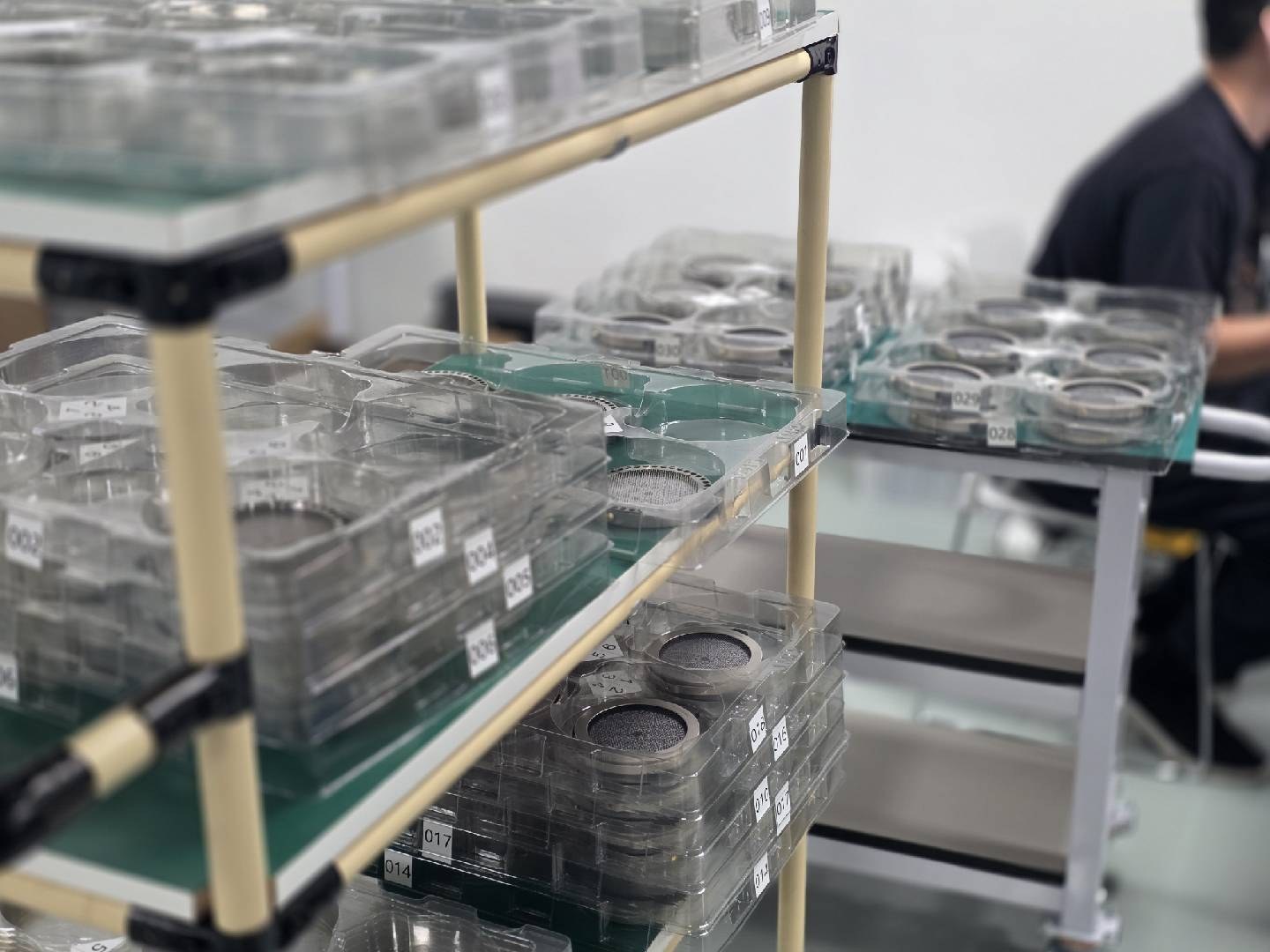
We spent four years building the electrostatic driver supply chain and production line behind EH-1. That work is not marketing texture; it is the practical reason a product like the EH-1 can exist as more than a hobbyist prototype.
The work described includes materials, diaphragm treatment, driver structure, assembly, testing, and quality control. Each one touches the final sound in a different way. Materials define the mechanical and electrical baseline. Diaphragm treatment influences stability and response. Stator structure shapes the electric field. Assembly determines repeatability. Testing and QC decide whether a design can be shipped with confidence.
The EH-1 V4 package reflects the same practical thinking. It includes the headphone, amplifier, EC-1 cable, 12 V adapter, and a 2 mm hex key. L/R markings, cable-connector orientation, headband adjustment, and replaceable earpads are all treated as user-facing details. For a young electrostatic team, this matters: the driver is not a mysterious object, but the core of a serviceable physical product.
Why community attention matters
We did not become visible only through polished product photography. EH-1 has been discussed in enthusiast spaces where early impressions, reliability concerns, comparisons, and batch changes are part of the conversation. Reddit and Head-Fi references from the China International Headphone Expo describe EH-1 as a full-size electrostatic headphone system that drew attention for its price point, light weight, and sound direction. Bilibili search results show a large number of videos around EH-1 V3, V4, unboxing, comparison, and amplifier pairing.
This kind of public discussion is not always comfortable for a manufacturer, but it is useful. It shows that the product is being handled, compared, questioned, and listened to by real users. For a young electrostatic team, that feedback loop is part of becoming credible. The challenge is not simply to attract attention. It is to turn attention into stability, service, and repeatable manufacturing.
In electrostatic audio, the product is never only the visible headphone. It is the supply chain, process control, and listening feedback that make the driver repeatable.
From workshop attention to international listings
EH-1 now appears in public international retail listings under Hongshu Audio and Halo Acoustics naming. Those listings present the EH-1 V4 with a 4-inch electrostatic driver, the EHA-1 amplifier, 580 V Pro Bias architecture, and a lightweight open-back headphone form. For overseas readers, that availability changes how we is perceived. It moves EH-1 from local discussion into a product that international audiophiles can research, compare, and potentially audition.
That transition also raises the bar. Once a product reaches more regions, clear specifications, version naming, packaging, warranty, and service expectations become part of the listening experience. The after-sales page is careful about that boundary: service follows the seller platform or distributor policy, while non-warranty cases include damage from drops, pulling, liquid ingress, disassembly, unauthorized modification or repair, consumable wear, expired warranty period, missing or altered serial numbers, non-standard third-party connections, and use outside specified conditions. This kind of plain service language is part of international credibility.
What “built from the driver up” should mean
The phrase only matters if it stays concrete. For EH-1, it means the driver is not a borrowed talking point. Our product development begins with the electrostatic motor and extends outward into the amplifier, ergonomics, listening use, and production control. It also means future claims should be supported with clear data, images, and listening opportunities.
That is the kind of seriousness we want high-end audio users to feel. Not loud. Not over-decorated. Just enough transparency for listeners to understand that the sound they hear is the result of a long chain of choices, many of them hidden inside the driver.